In today’s fast-paced digital world, effective marketing is crucial for any business looking to thrive. If you’re a business owner in the Queen City, you might be wondering how to find the best marketing strategies to reach your target audience. This is where a marketing company in Charlotte can offer valuable insights and expertise. In this article, we’ll explore what you need to know when choosing the right marketing partner in Charlotte.
Understanding Your Marketing Needs
Before seeking a marketing company in Charlotte, it’s essential to assess your specific marketing needs. Consider what you hope to achieve, whether it’s increasing brand awareness, generating leads, or improving customer engagement. Knowing your goals will help you communicate effectively with potential marketing firms and ensure they align with your vision.
Evaluating Options: Key Features to Look For
When searching for a marketing company in Charlotte, there are several key features to consider:
1. Experience and Expertise
Look for a company with a proven track record of success in various marketing strategies. Their experience in different industries can offer invaluable insights tailored to your specific market.
2. Range of Services
A full-service marketing agency can provide a comprehensive approach to your marketing needs. Services may include SEO, content marketing, social media management, and more. This diversity can help ensure all aspects of your marketing are aligned and working towards the same goals.
3. Understanding Local Market Dynamics
Choosing a marketing company in Charlotte that understands the local market can give you a significant edge. They will be familiar with regional trends, customer behaviors, and competitive landscapes that can affect your marketing strategy.
The Importance of SEO
In the digital age, Search Engine Optimization (SEO) is critical for online visibility. A knowledgeable marketing company will emphasize the importance of SEO in their strategies. If you are looking for quality services, consider connecting with a reliable Charlotte SEO and marketing company in Charlotte that can help your business rank higher in search engine results.
Assessing Results: Metrics that Matter
Finally, it’s vital to understand how to evaluate the results of your marketing campaigns. Work with your chosen marketing company to set clear metrics that will help measure success, such as website traffic, conversion rates, or social media engagement.
Conclusion
Finding the right marketing company in Charlotte can be a game-changer for your business. By understanding your needs and evaluating your options carefully, you can partner with a marketing firm that not only understands the local market but also has the expertise to help you achieve your goals. Whether you’re a startup or an established business, the right marketing strategy is essential for growth.
In the ever-evolving landscape of digital marketing, businesses in Charlotte face unique challenges and opportunities. The right marketing company in Charlotte can be instrumental in helping your brand navigate this landscape. This article will explore how to choose the best marketing partner for your needs, the services they offer, and the benefits of working with a local expert.
Why Choose a Local Marketing Company?
Choosing a marketing company in Charlotte allows you to work with a team that understands the local culture, market trends, and consumer behaviors. Local agencies can provide personalized services that cater specifically to the Charlotte audience. They are also more accessible for face-to-face meetings, offering a level of collaboration that remote agencies might lack.
Understanding Your Business Needs
Before selecting a marketing company in Charlotte, it’s essential to understand what your business needs. Are you looking to improve your online presence, enhance brand awareness, or drive sales? Some common services offered by local agencies include:
Search Engine Optimization (SEO)
Pay-Per-Click Advertising (PPC)
Social Media Marketing
Content Marketing
Brand Strategy Development
Evaluating Potential Agencies
When evaluating different marketing companies, consider their portfolio, client testimonials, and case studies. A reputable marketing company in Charlotte should have a proven track record of delivering successful campaigns. Additionally, look for agencies that specialize in your industry, as they will be better equipped to understand your unique challenges and audience.
Services Offered by Marketing Companies
Most marketing companies offer a wide range of services designed to increase visibility and drive traffic to your business. This can include:
SEO Services: Optimizing your website to rank higher on search engines, leading to increased organic traffic. Many companies in Charlotte specialize in Charlotte SEO and marketing.
PPC Campaigns: Creating targeted ads on platforms like Google Ads and Facebook that can provide immediate results.
Content Marketing: Developing relevant and engaging content that resonates with your audience and encourages them to interact with your brand.
Social Media Management: Cultivating an engaging presence on social media platforms to connect with customers and build community.
The Benefits of Working with a Marketing Company in Charlotte
Working with a local agency can offer your business several advantages:
Personalized Service: Local agencies can provide tailored marketing strategies that fit your specific goals and market.
Networking Opportunities: They often have existing relationships with other local businesses and influencers, which can benefit your marketing efforts.
Quick Response Times: Proximity allows for faster communication, which is crucial in the fast-paced world of digital marketing.
Conclusion
Choosing the right marketing company in Charlotte can dramatically influence your business’s growth and success. Take the time to evaluate your options carefully, consider their expertise and alignment with your goals, and don’t hesitate to ask for references. By doing so, you set your business up for effective marketing strategies and, ultimately, increased profitability.
Finding the right marketing partner is crucial for any business aiming to thrive in today’s competitive landscape. In Charlotte, a vibrant hub for commerce and innovation, a marketing company in Charlotte can provide tailored strategies that resonate with local audiences and enhance your brand’s visibility.
The Importance of Local Expertise
A marketing company based in Charlotte understands the unique dynamics of the local market. They are familiar with the community’s culture, preferences, and trends, which allows them to craft strategies that appeal specifically to Charlotte’s diverse demographics. When you work with a local marketing partner, your business isn’t just another name on a list; you’re part of the community. This connection can build trust and contribute to your brand’s success.
Key Services Offered by a Marketing Company in Charlotte
When considering a marketing company in Charlotte, it’s essential to understand the range of services they provide. Here are some critical offerings you can expect:
1. Digital Marketing Strategies
In the digital age, having a strong online presence is non-negotiable. A marketing company in Charlotte will help you establish an effective digital strategy that includes search engine optimization (SEO), social media marketing, and pay-per-click advertising. These strategies are designed to increase your visibility and reach target customers effectively.
2. Content Marketing
Content is king when it comes to engaging and retaining customers. By partnering with a Charlotte-based marketing firm, you can develop compelling content that speaks to your audience’s needs and interests. This can include blog posts, videos, infographics, and case studies that not only boost your SEO but also position your brand as a thought leader in your industry.
3. Branding and Design
Your brand is your business identity. A marketing company in Charlotte can assist you in crafting a cohesive brand image that reflects your values and resonates with your customers. From logo design to comprehensive branding strategies, they can help ensure that your brand stands out in the marketplace.
Why SEO Matters
Search Engine Optimization (SEO) is a cornerstone of any effective marketing strategy. A specialized Charlotte SEO and marketing company in Charlotte can optimize your website to improve its ranking on search engines, ultimately driving more traffic to your site. Effective SEO strategies boost your credibility and make it easier for potential customers to find you when they need services or products that you offer.
Measuring Success
Working with a marketing company in Charlotte should involve a clear understanding of performance metrics. Regular reporting and analytics can help you evaluate the effectiveness of your marketing campaigns. Look for a company that provides insights into key performance indicators (KPIs) so you can track your return on investment (ROI) and make informed decisions about future strategies.
Conclusion
In conclusion, partnering with a marketing company in Charlotte is not just a business decision; it’s an investment in your company’s future. With local expertise, a wide range of services, and a strong emphasis on SEO, you can position your business for sustained growth and success. As Charlotte continues to grow as a central business district, the right marketing partner can provide the edge you need to stand out.
Understanding the Importance of a Marketing Company in Charlotte
In the bustling business environment of Charlotte, North Carolina, choosing the right marketing company in Charlotte can make a significant difference in your brand’s visibility and growth. With the rise of digital marketing, local businesses now have access to a wide array of tools and strategies to promote their services effectively.
Why Local Expertise Matters
Partnering with a marketing company in Charlotte provides your business with local insights that can drive your marketing strategies. These companies understand the unique challenges and opportunities that come with operating in this vibrant city. From competition analysis to localized strategies, their expertise can help navigate the Charlotte market landscape.
Tailored Marketing Strategies
A professional marketing company can tailor strategies specifically for your target audience. For instance, they can optimize your social media presence, enhance your content marketing strategies, and develop SEO-friendly content that resonates with local consumers. They ensure that your messages are not just reaching people, but the right people. SEO is particularly crucial, as it elevates your business’s visibility in search engine results, ensuring potential customers find you when searching for your services.
Incorporating Digital Marketing Techniques
In today’s digital age, utilizing effective digital marketing techniques is a must. A leading marketing company in Charlotte should offer services like search engine optimization (SEO), pay-per-click advertising (PPC), social media marketing, and email campaigns to enhance your online presence. These methods not only drive traffic to your website but also help in converting visitors into loyal customers.
Focusing on SEO: A Must for Charlotte Businesses
When seeking a marketing company in Charlotte, it’s essential to find one that prioritizes SEO. This includes optimizing your website structure, conducting keyword research, and implementing on-page SEO tactics. For optimal results, consider working with a Charlotte SEO and marketing company in Charlotte that can help you achieve higher ranking on search engines, making it easier for customers to discover your products or services.
Evaluating Potential Marketing Partners
As you research marketing companies in Charlotte, keep these factors in mind:
Portfolio and Case Studies: Assess their previous work and the results achieved for clients in similar industries.
Client Testimonials: Positive feedback from past clients can give you insights into their working style and effectiveness.
Service Offerings: Ensure they offer the full spectrum of services necessary for your business growth.
Communication: Choose a company that values consistent communication and transparency in their processes.
Conclusion
In summary, selecting the right marketing company in Charlotte is vital in establishing a strong presence in the marketplace. With the right guidance and partnership, your business can leverage tailored marketing strategies that resonate with local audiences. Don’t hesitate to reach out to a reputable Charlotte SEO and marketing company in Charlotte to elevate your marketing efforts and achieve your business goals successfully.
Understanding the Importance of a Local Marketing Company
In today’s digital age, businesses need a robust marketing strategy to succeed. For companies in Charlotte, finding the right marketing company in Charlotte can be a game changer. A local agency understands the market dynamics, customer preferences, and unique trends that can significantly impact campaign success.
Why Choose a Marketing Company in Charlotte?
When you partner with a marketing company in Charlotte, you benefit from their knowledge of the local landscape. They can craft marketing strategies tailored specifically for your audience, ensuring that your message resonates with potential customers. From SEO to social media marketing, Charlotte-based agencies have the expertise to implement solutions that work.
Local Expertise
A marketing company that operates in Charlotte knows what appeals to the local demographic. They can provide insights into local trends, preferences, and community events, allowing your business to connect with consumers on a deeper level. This proximity often leads to more effective campaigns compared to firms that do not have a local presence.
Holistic Marketing Strategies
Another advantage of choosing a local marketing company is their ability to offer comprehensive strategies. These companies understand that today’s marketing landscape demands an integrated approach. From digital marketing techniques like SEO and pay-per-click advertising to traditional methods such as print marketing, a well-rounded strategy increases the chances of reaching broader audiences.
Key Services Offered by Charlotte Marketing Companies
Here are some essential services that a typical marketing company in Charlotte might provide:
Search Engine Optimization (SEO)
SEO is crucial for any business’s online visibility. A specialized Charlotte SEO and marketing company in Charlotte can help improve your website’s ranking on search engines, driving organic traffic to your site.
Social Media Management
Social media is a powerful tool for engaging customers. A local agency will know which platforms resonate with your target audience and can create content that stimulates interaction and builds brand loyalty.
Content Marketing
Content is king in the digital marketing world. A marketing company can help you craft valuable, relevant content that not only informs your audience but also fosters trust and credibility in your brand.
How to Choose the Best Marketing Company?
When choosing a marketing company in Charlotte, consider the following tips:
Evaluate Their Portfolio
A reputable agency should have a robust portfolio showcasing previous work and results. Look for case studies that demonstrate their marketing successes, especially in industries similar to yours.
Check Client Testimonials
Reading reviews and testimonials from other clients can provide insight into the agency’s reliability and effectiveness. Reach out to former clients if possible to ask about their experiences.
Discuss Your Needs
Before committing, have a conversation with potential agencies about your specific needs and goals. This dialogue will help you assess whether they understand your vision and can tailor their services to meet your expectations.
Conclusion
Finding the right marketing company in Charlotte can significantly influence your business’s growth. By leveraging local expertise and a comprehensive approach, these agencies can help you build a strong brand presence and connect with your audience effectively. Don’t hesitate to take your time evaluating choices; ensuring that the marketing partner aligns with your business goals is essential for long-term success.
As the weather heats up this summer, you might be wondering what drink will keep you hydrated. Water allows you to stay hydrated and doesn’t contain unnecessary calories or additives. Our registered dietitian team shares why water is your best choice year-round.
Why should I drink water?
Water is vital to our health. It plays a key role in many of our body’s functions, including bringing nutrients to cells, getting rid of wastes, protecting joints and organs, and maintaining body temperature.
The amount of water you should drink varies depending on your activity level, health conditions, height and weight, gender, and other factors. Here are some general guidelines, according to the Institute of Medicine:
It’s recommended that men drink 13 cups (about 3 liters) of water each day.
Women are recommended to drink 9 cups (just over 2 liters) of water each day. Pregnant women should drink 10 cups of water daily, and breastfeeding women should drink 12 cups.
Kids and teens should drink 6 to 8 cups of water a day. Again, this all depends on activity level, age, weight, etc.
Eating fresh fruits and vegetables that are full of water helps with this daily water intake as well. For guidelines specific to you, ask your doctor or dietitian what they recommend.
Are sports drinks good for me when I’m exercising?
Sports drinks are advertised to increase endurance and replace nutrients lost during intense exercise. But are they necessary?
These drinks contain electrolytes like sodium, potassium, and calcium, as well as simple sugars (some may be sugar-free). However, these nutrients are generally only lost in large amounts during high-intensity exercise for one hour or more. Sports drinks may be useful for people doing intense exercise for a long time, especially if they’re sweating a lot. But for non-athletes, sports drinks are simply another sugary beverage.
Most people should drink water, not sports drinks, during their workouts.
Do caffeine drinks provide hydration?
Caffeine is found in drinks like coffee, some teas, energy drinks, and sodas. While you may urinate more after drinking a caffeinated drink, drinking these beverages does not cause you to lose more fluid than you consumed. However, caffeine can lead to headaches and trouble sleeping in some people.
Overall, water is your best bet to stay hydrated. It’s caffeine-free, calorie-free, and readily available for most people.
Is it ok to keep water in the car?
Before reaching for a plastic water bottle that’s been sitting in a hot car, think about how long it’s been in the heat.
When kept at high temperatures, the chemical bonds in plastic water bottles break down. This can increase the chance that chemicals get in the water. According to the U.S. Food and Drug Administration (FDA), this amount of chemicals is too small to cause health problems, but it can add up.
Keep bottled water at the same temperature as other groceries. Avoid leaving plastic bottles in a hot car during summer heat. Instead, put a water bottle in your bag or by the door, so you can remember to grab it on your way out.
Is it possible to drink too much water and overhydrate?
Most people are familiar with what dehydration is and how it happens. But is overhydration possible? Overhydrating happens when someone drinks large amounts of water, which can alter the levels of electrolytes in the body like chloride, sodium, and potassium. Not drinking enough fluid (dehydration) can lead to symptoms like thirst, flushing, fatigue, and fast breathing. In contrast, drinking too much fluid (overhydration) can cause nausea, headaches, cramps, weakness, and confusion.
For most people, dehydration is a greater risk. But if you are concerned about or having symptoms of overhydration, talk to your doctor. Ask your healthcare team about how much water you should drink each day.
Water is your best choice for health
You have many drink choices out there. At the end of the day, water is the first-choice beverage for best hydration. Drinking the right amount of water for your personal health and activity level is important. Try healthy add-ins like fresh mint, sliced cucumber, or lemon wedges to add flavor and variety to your water.
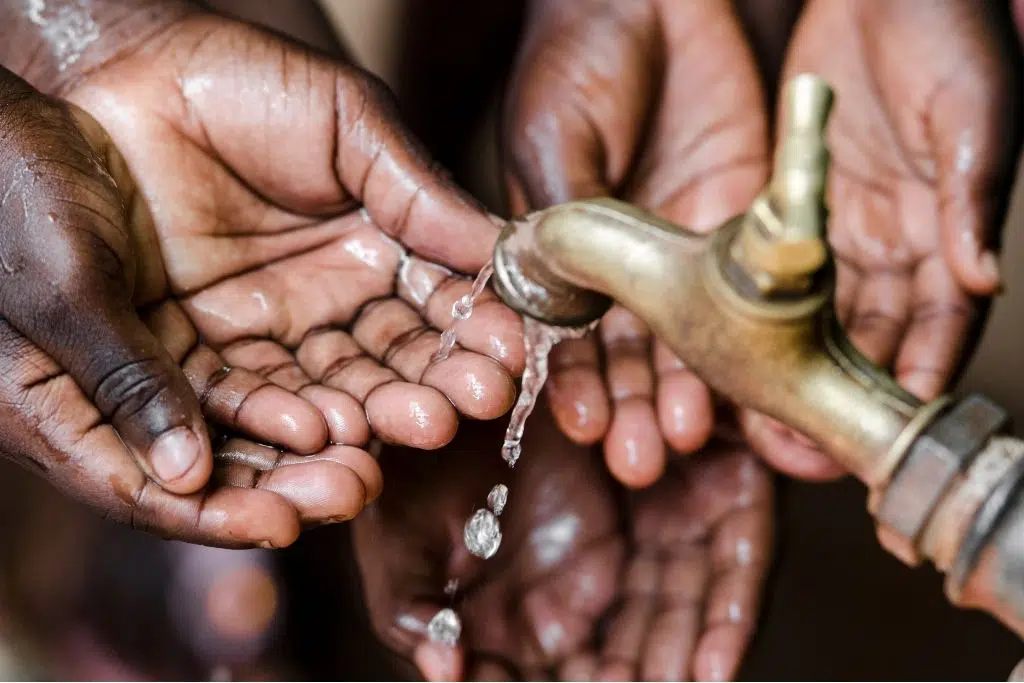
Water is a fundamental aspect of human life. Your body is made of water, we need water to survive, and we use water on a daily basis. Looking at a picture of the Earth, it appears that the world has more than enough water; after all, most of the Earth is covered in it. However, less than three percent of the water on earth is actually freshwater. Of this supply of freshwater, a majority of the freshwater is not accessible.
Currently, 1.1. billion people worldwide lack access to water, partially because of the inability to reach the freshwater source. What’s more, an additional 2.7 billion people have found water to be scarce in their area for a minimum of month. Water is a necessity to live. The ability for an individual to access drinking water is a fundamental human right. Each State’s government has a duty and responsibility to ensure their citizenry has access to reliable, safe, accessible, affordable, and clean drinking water. Sadly, such access to fresh drinking water is not a reality in some countries around the world.
What is the Current Water Scarcity Problem?
So, what exactly does “water scarcity” mean in layman’s terms? As explained by Waterlogic, water scarcity “refers to insufficient access to the water resources necessary to sustain a region.” When referring to humans’ insufficient access to water resources which are necessary to an individual, the term water scarcity is divided into two separate categories: physical water scarcity and economic water scarcity. As the name in and of itself implies, physical water scarcity, as furthered by Waterlogic, “refers to a lack of available water resources relative to its demand.” Likewise, economic water scarcity “refers to limited water access resulting from insufficient financial resources to access, store, and/or distribute water to homes, business, and so on.”
There are a variety of factors that cause water scarcity. Climate change is one factor. As the weather patterns shift, access to, and the supply of freshwater, similarly shift over time. Other factors which contribute to water scarcity are water pollution, industrial agriculture, unsustainable energy production, unsustainable industrial practices. When industries do not practice healthy water recycling habits, our lakes, rivers, and streams become more polluted from the run-off from these various industries. For instance, a factor that dumps its waste, or allows its waste to run-off into the local river results in the pollution of that river. Finally, the ever-growing global population contributes to water scarcity. Put simply, the more people that exist, the more water is required to supply individuals with their basic needs.
In the world today, Waterlog explained “[t]he most vulnerable to water scarcity today live in India and China, while the problem also affects dozens of other countries including Great Britain, Australia, Mexico, Yemen, Iran, Pakistan, Saudi Arabia, countries throughout sub-Saharan Africa, and the United States.” Because other nations are affected by water scarcity as well, it is imperative we all work together to help increase the freshwater supply on our Earth.
How You Can Help Eliminate the Water Crisis
There are a variety of practices and methods you can start to work towards eliminating water scarcity and solving the current water crisis.
Healthy Water Stewardship
Promoting healthy water stewardship is something you can start to implement in your daily life now to eliminate water scarcity. In order to promote water stewardship, consider taking shorter showers. By taking shorter showers, you will use less water with each shower, thus saving more freshwater. You can also install low-flow toilets, reuse graywater, and eradicate leaking and other water inefficiencies at your home, school, or office. Additionally, consider starting to collect rainwater. By collecting rainwater, you can use this water in place of freshwater. For instance, fresh rainwater can be used to water your garden or clean the outside surface of your house.
Alternative Yard Irrigation Systems
Switch out your flood irrigation system for sprinkler or drip irrigation systems. Also, consider opting for better soil management practices that will prevent evaporation from the soil. These include using limited tillage, mulching, or no-till tillage.
Desalinize Your Water
Although water desalinizing is a relatively new technology, desalinizing water allows you to convert your seawater into freshwater. This freshwater can, in turn, be used for cooking, bathing, drinking and etc.!
Substainable Energy
A fourth method is to consider investing in sustainable energy or water saving initiatives. Initiatives such as though organized by Green Line or initiatives that work to promote sustainable energy. Also consider initiatives that work to protect wetlands. Wetlands play a major role in purifying water. Notably, wetlands are disappearing at a quick rate, meaning not as much water is being purified as before. By investing in initiatives that aim to protect wetlands, you can protect a major natural resource that works to collect and purify water.
A fifth method is to donate directly to water saving NGO’s. At Green Line, we have 4 different tiers you can invest in to promote water health education. The tiers Green Line offers are as follows:
$25 per month – allows you to bring safe water health and hygiene education to 10 people in a year
$50 per month – allows you to bring safe water and health and hygiene education to 5 families in a year
$100 per month – allows you to bring safe water and health and hygiene education to a classroom of kids in a year
$250 per month – allows you to bring safe water health and hygiene education to 100 people in a year.
Click here for more information on how to donate to Green Line.
A sixth method is to become involved in water saving policy making. Water is an important part of our lives. By each of us working individually to conserve freshwater, we can create a greater global impact on eliminating the
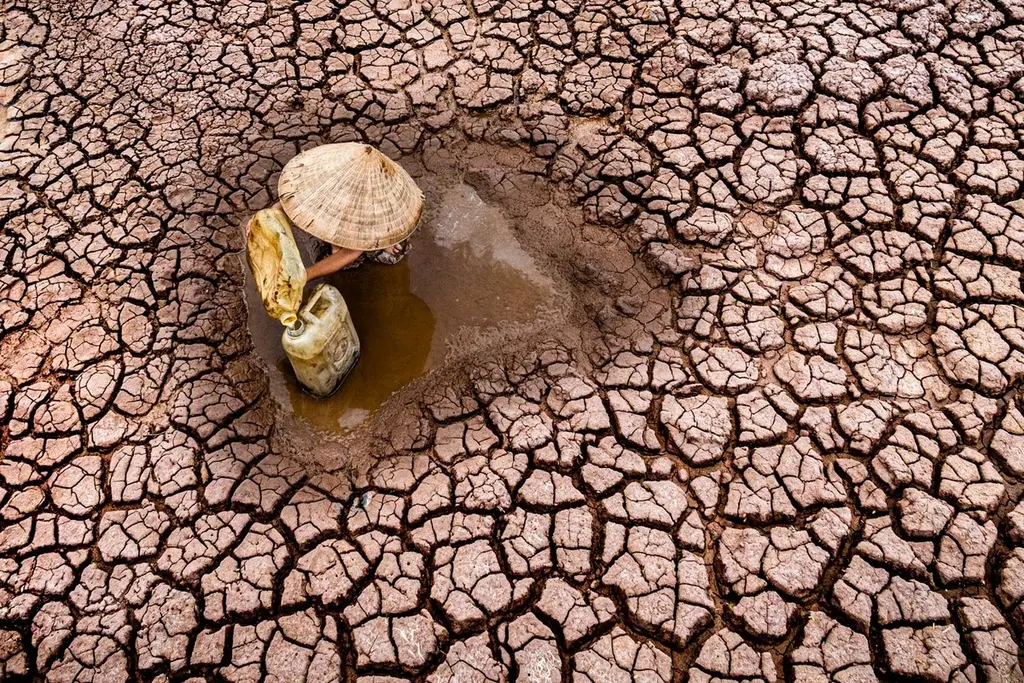
Climate change, coupled with water mismanagement and overconsumption, is causing droughts and water shortages across many parts of the globe. Aside from the obvious threat to public health, the subsequent effects of water shortage can vary from food insecurity to increased human conflicts, highlighting the importance of protecting global water resources and using them sustainably. Here are the main causes and effects of water shortage and what we can do about it.
—
It is increasingly evident that droughts around the world are becoming more frequent and intense, as well as are occurring at progressively prolonged periods of time. This is most demonstrable by the ongoing megadrought in the western regions of the US, where it is in the midst of its driest conditions in history.
No continent on Earth has been untouched by water scarcity, and an increasing number of regions are reaching the limit at which they can provide water services sustainably, especially in arid regions. Nearly two-thirds of the world’s population is predicted to face water shortages by 2025. This worrying trend is causing many to pose the question: “are we running out of water”?
The short answer is yes, primarily driven by climate change and global population growth. We explore what other causes are there and the major effects of it around the world.
Causes of Water Shortage
Droughts and Climate Change
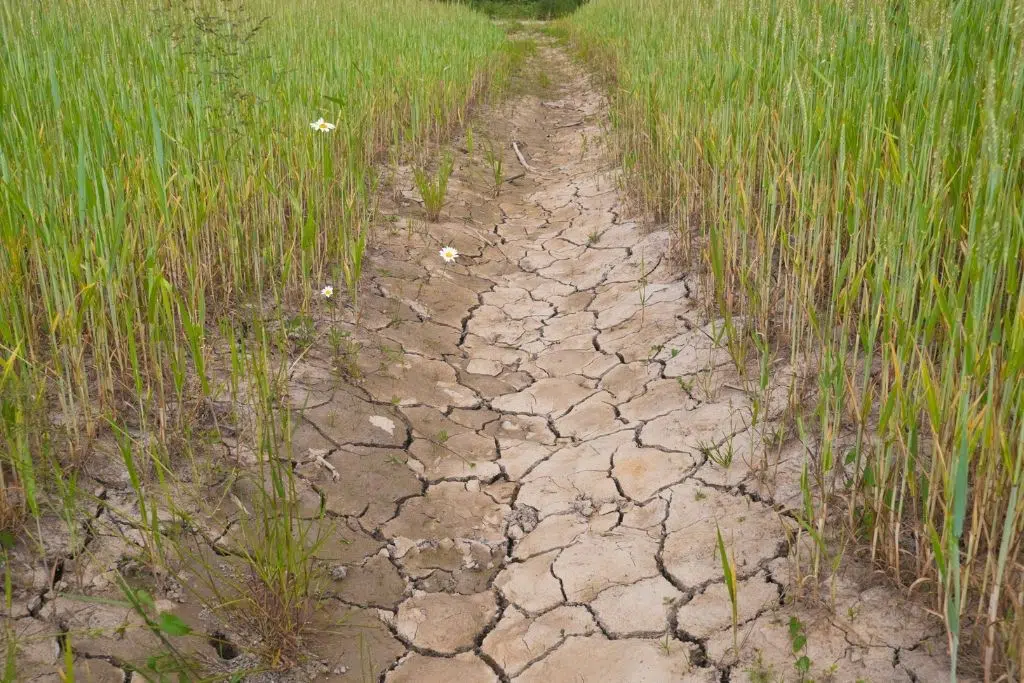
Water shortages occur due to a number of factors; one of the biggest drivers of water scarcity is drought. Drought is a natural phenomenon in which dry conditions and lack of precipitation – whether it is rain, snow or sleet – occur over certain areas for a period of time.
While the amount of rainfall can naturally vary between different regions and times of year, climate change and rising global temperatures are altering rainfall patterns, which in turn, impact the quality and spatial distribution of global water resources. Warmer temperatures mean that moisture in soil evaporates at faster rates, and more frequent and severe heat waves exacerbate drought conditions and contribute towards water shortages.
These conditions also create the perfect breeding ground for wildfires, further fuelling drought season and water stress. In the 2018 Intergovernmental Panel on Climate Change (IPCC) report, climate scientists say that groundwater stored in aquifers, which provides 36% of the world’s domestic water supply for over 2 billion people, is highly sensitive to future climate change. They also concluded that wet regions are expected to get wetter while dry regions will get drier.
In China for example, the Yangtze and Yellow Rivers are two major water resources that support the country. They rely on the glacial meltwater from the Qinghai-Tibetan Plateau. Global warming, where temperatures in the glacial region rose by 3- 3.5C over the past half-century, has produced less snow and ice mass, causing glacial run-off into the Yangtze to be reduced by 13.9% since the 1990s.
Poor Water Management and Growing Demand
Today, the world’s population is just short of eight billion people, which translates to a growing demand for water amid water stress from climate change. Urbanisation and an exponential increase in freshwater demand for households are both driving factors behind water shortages, especially in regions with a precarious water supply.
For example in 2018, Cape Town, South Africa experienced a water crisis and became the first modern city to effectively run out of drinking water as a result of extreme drought, poor water resource management and overconsumption.
Likewise, China is also at risk of running out of water due to poor water management. Each year, total renewable water resources per inhabitant is estimated at about 2,018 cubic metres, which is 75% less than the global average, according to the World Bank.
Water Pollution
Contaminated and unsafe water is another contributing factor of water shortages. Water pollution already kills more people each year than war and all other forms of violence combined. As we only have less than 1% of the Earth’s freshwater accessible to us, human activity is actively threatening our own water resources. Water pollution can come from a number of sources, including sewage and wastewater – more than 80% of the world’s wastewater flows back into the environment without being treated, and agricultural and industrial runoff, where pesticides and toxic chemicals leach into the groundwater and nearby freshwater systems. Consequently, precious water resources get contaminated, resulting in less freshwater and drinking water available.
The United Nations states that having free access to freshwater is a basic human right. And losing that access to drinking water can be detrimental to human health and lives, as we all need water to survive. However, water scarcity and shortage can lead to other serious impacts on the environment and threaten global peace and security as well.
Food Insecurity
We need water to produce food that we eat. Today, around 70% of freshwater withdrawals go into agriculture, from irrigation and pesticide to fertiliser application and sustaining livestock. As the global population continues to grow, agricultural production is required to expand by another 70% by 2050 to keep up with demand, thereby redirecting even more freshwater resources.
In February 2021, the UN World Food Program reported that severe drought caused by record dry conditions has left an estimated 13 million people facing hunger in the Horn of Africa. Intense and prolonged droughts have decimated food crops and caused high rates of livestock deaths, causing food prices to soar. Families are struggling to buy and secure food as a result, while high malnutrition rates are occurring across the region. The UN warns should the situation worsens, it will spark a humanitarian crisis.
One of the biggest effects of water shortage is that it prompts increased competition between water users, thus potentially sparking conflicts, which could potentially put millions of lives at risk.
In India, drought has triggered serious conflict between water users at the local level, many of whom depend on water for their livelihoods. At a broader level, India has been in conflict with its neighbouring country of Pakistan over water disputes, among other political issues. The two nations have clashed over the control of upstream water barrages and infrastructure projects for decades, which regulated water flow into Pakistan. Water mismanagement and climate change are exacerbating these diplomatic tensions; The Himalayan Glaciers, which feed the Indus Basin, are predicted to diminish further in the coming year and deplete groundwater recharge in the long run.
Similarly, in Egypt, its water supply is being threatened by the development of the Grand Ethiopian Renaissance Dam on the upstream stretch of the Nile River. Though the dam brings huge economic and social benefits for Ethiopia and generate energy to two-thirds of the population, Egypt could potentially lose as much as 36% of the total water supply as the dam reduces water flowing downstream. Egypt could resort to military action to protect its water resources.
Water is Now Traded as a Commodity
Water has recently joined gold, oil and other commodities that can be traded on Wall Street, prompting fears that the market could dramatically further exacerbate the effects of water shortage and increase competition.
The US’s water trade market, the first of its kind, was launched in 2020 with USD$1.1 billion in contracts tied to California water prices. It allows farmers, hedge funds, and municipalities to hedge against future water availability in California. While this could clear up uncertainty around water prices, treating water as a tradable commodity puts basic human rights in the hands of financial institutions and investors.
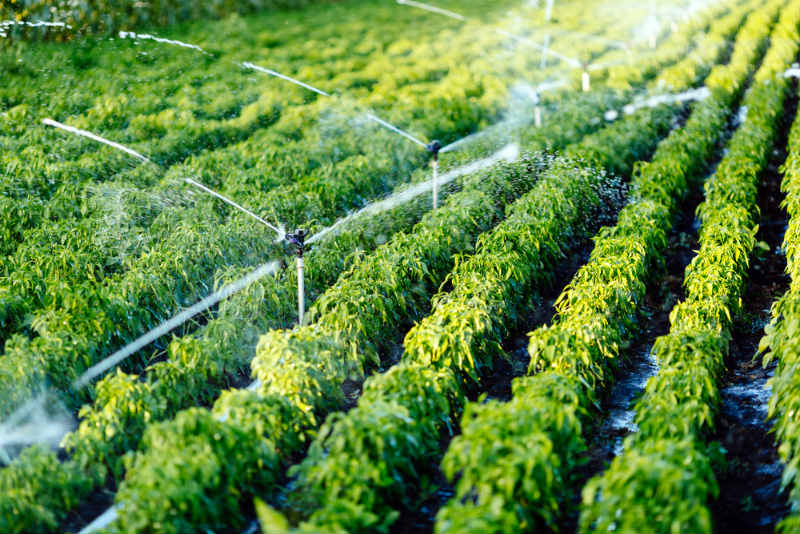
Automatic irrigation allows the flow of water to start and stop, or be directed to different areas, without the need for any manual effort. While irrigation is a vital part of farming, automatic irrigation has many benefits for both farmers and other landowners. Here’s what you need to know.
Save Money
Automatic irrigation saves you time. Therefore, you also save money. Depending on the number of pumps you have and the number of hours you need to water, you can also save money on your water and power bills.
As there isn’t a need to inspect pump sites as often in a vehicle, you will likely use less fuel and suffer less wear and tear expenses.
Less Manual Labor
With an automated irrigation system, you can monitor and control almost all aspects of irrigation. For example, at the touch of a button you can do things like:
Turn pumps on and off
Cut off the flow from one area and direct it to a different area
Keep an eye on pivots, sprinklers and control all types of diesel and electric motors.
Even if you don’t have power, your system can be set up using solar.
Improved Water Efficiency
The layout of an irrigation system needs to be properly planned so your plants and crops receive the right amount of water at the right time. Provided your irrigation system is installed and set up by a professional, any under-watering and over-watering issues will be eliminated. This is beneficial to the crops and plants, as well as your water bill.
Are Automated Irrigation Systems Worth It?
Whatever type of automatic irrigation system you go for, time does need to be invested in the initial setup, and in ongoing maintenance to ensure your system works properly and keeps running efficiently. You also need to factor in the cost to purchase the system and ongoing maintenance expenses before deciding whether an automatic system is financially viable.
Your system will only be as good as your water pressure. So the first thing is to measure the flow in litres per second from the garden tap. You need to know this to tell how many and what type of sprays can be serviced at any one time. This is easy to find out. First, turn off all taps. Then turn one garden tap on full into a 9-litre bucket, but not through the hose. With your watch ready, time how long it takes to fill the bucket in seconds.
Then divide the bucket size by the time to fill in seconds, and multiply by 60. This will give you your flow rate in litres per minute. For example:
9 litre bucket ÷ 20 seconds x 60 = 27 litres per minute
The types and number of sprays you can use at any one time varies according to the brand. So use your flow rate and check the manufacturer’s brochure in planning your system.
Step 2: Pick you system
DRIP SYSTEMS:
Available as fixed or variable types, deliver just the right amount of water to vegetables, pot plants, trees and shrubs at a rate the soil can readily absorb. In allowing the right number of drippers, think about your soil type and what the plants need. As a rule of thumb, allow about 1 dripper for every 50cm of foliage diameter, but for sandy soils space about 35cm apart. For larger trees, form a loop around the base.
MICROSPRAY SYSTEMS
The most popular and provide a spray or mist. They come in a quarter circle, half circle and full circle, and are ideal for flowers, vegetables and plants that require moisture on their leaves and in areas such as flower beds, rockeries, compact gardens and rows of crops. They also avoid the problems of soil compaction and water run-off, spraying the water where it is wanted, not on fences, walls, paths or driveways.
POP-UP SPRINKLERS
A neat, effective way to water lawns – not only do they provide good even spread of water, but think of the time it’ll save you. No more shifting sprinklers, no more handheld hoses. Pop-ups generally come in four pattern types – quarter-circle, half-circle, 3/4 circle and full circle. The number you’ll need will depend a lot on your water pressure. When setting out your system, it is a good idea to form a loop for a more even distribution of spray.
Step 3: Sketch yourself a plan
Draw up a plan of your garden. The easiest way is on graph paper. Sketch in building outlines, the position of pathways, the width of garden beds, the location of trees and any obstacles so you can see the actual areas you want to water. Then mark in where the main poly tubing from the tap is to go. Off this, mark where distribution lines are to go for the areas to be watered and mark where drippers or microsprays are needed. The main tubing can be a larger diameter than the tubing used as distribution lines so that more than one distribution line can be run at a time. However, you cannot place a dripper and a microspray on the same line. They are designed for different types of plants and different watering rates.
Then, using the manufacturer’s brochure, write up a shopping list of how many sprayheads, drippers, tubing and accessories you need. Or take your plan to your Mitre 10 store and ask them to give you a hand.
Step 4: Installing
Drip & Microspray Systems Using your plan, lay out all the parts where you intend to install them. Use bricks or stakes to hold the poly tubing in position. Working from the tap in the direction of the water flow, adjust the layout till the main tubing and distribution lines are suitably located and cut the poly tubing to length with your utility knife or secateurs. Connect all tubing with joiners, elbows or tees to form the desired layout. Secure each connection with a locking clamp and be sure there are no kinks in the poly tubing.
For Drip and Spray systems, seal the open end with an end stop. Pierce the poly tubing with the hole punch – this must be a straight, clean punch with no wobbling side to side. Then, push the dripper or spray inlet into the hole. Cover the tubing with soil leaving the drippers exposed.